The Role of Haptics in Technology
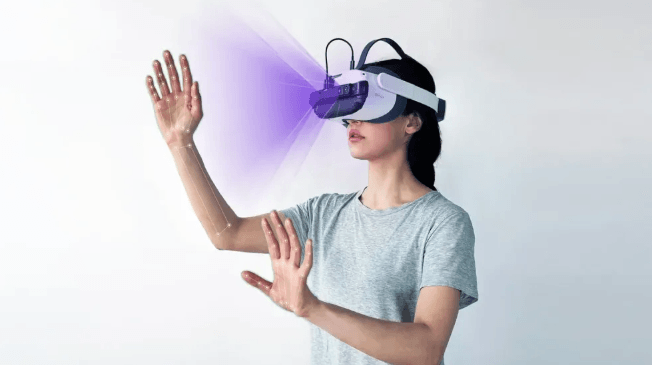
Haptics deliver tangible feedback that complements visual and auditory cues, shaping how users perceive and act within interfaces. They can reduce errors when latency is low and texture cues are meaningful, yet impose cognitive load if signals are overbearing. Designers must balance perceptual salience with privacy and manufacturing limits, aiming for scalable, ethical solutions. The domain spans smartphones to wearables, promising richer multisensory experiences while raising questions about autonomy and validation as systems evolve. The next considerations may redefine how humans interact with technology.
What Haptics Are and Why They Matter
Haptics refers to the science and engineering of tactile feedback, including touch, force, motion, and vibration that enhance user interactions with digital systems.
This field evaluates how tactile perception guides actions, informs sensorimotor learning, and shapes user embodiment.
It also interrogates haptic materiality, linking material properties to perceptual outcomes, improving design decisions, and aligning technology with human autonomy and freedom in interaction.
How Haptics Enhance Everyday Interfaces
The practical impact of tactile feedback on everyday interfaces emerges from how users perceive and act upon physical sensations during routine tasks.
Haptic cues enhance accuracy, reduce error rates, and support intuitive interactions across smartphones, wearables, and consumer devices.
Real time latency and material science constraints shape perceived responsiveness, guiding designers toward dependable, unobtrusive feedback that respects user autonomy and fosters confident exploration.
Designing Sensory Feedback: Techniques and Trade-offs
Designing sensory feedback requires balancing perceptual salience with cognitive load, acknowledging that tactile signals serve as both alerts and guides for action.
In micro interaction design, researchers compare haptic cues for duration, intensity, and timing to minimize fatigue while preserving reliability.
Texture mapping enables intuitive texture- or material-inspired cues, yet trade-offs include manufacturing limits and user-specific perceptions, demanding rigorous, iterative evaluation.
The Future of Haptics Across Industries
As devices continue to integrate tactile feedback across domains, the future of haptics is defined by cross-industry convergence, scalable fabrication, and user-centered validation. This trajectory emphasizes neural feedback and tactile robotics integrations, enabling wearable haptics in consumer devices while preserving data privacy. Multisensory UX informs design, requiring rigorous evaluation and ethical safeguards to ensure freedom in user exploration and practical, measurable benefits.
Frequently Asked Questions
How Do Haptic Devices Differ for Visually Impaired Users?
Haptic devices for visually impaired users differ by feedback modality, resolution, and navigation cues; haptic navigation leverages precise vibratory patterns, while tactile accessibility emphasizes texture and contour sensors, enabling independent orientation and travel within environments.
What Are the Ethical Implications of Haptic Data Collection?
In flickering sensors, ethics emerge: haptic data collection raises data privacy concerns and consent governance challenges, demanding transparent practices, robust safeguards, and ongoing user-centered oversight to prevent harm while preserving autonomy and freedom in tactile tech adoption.
Can Haptics Replace Traditional Tactile Feedback Entirely?
The answer: haptic limitations prevent full replacement of traditional tactile feedback; sensory substitution may augment perception but cannot replicate all nuanced touch experiences. Empirical evaluation shows partial utility, user-centered designs enabling freedom while acknowledging residual perceptual gaps.
See also: bittermagazine
How Affordable Is Consumer-Grade Haptic Technology Today?
Consumer-grade haptic technology is increasingly affordable, with affordable sensors and consumer wearables enabling widespread access. Rigorous, empirical assessments show practical cost-performance tradeoffs, user-centered benefits, and ongoing reductions, expanding freedom to explore tactile interfaces across diverse, everyday applications.
What Safeguards Prevent Motion Sickness From Haptic Feedback?
The safeguards include calibrated haptic patterns, gradual onset, and adaptive intensity to ensure motion safety and haptic comfort. Empirical studies indicate user-centered protocols reduce nausea, while continuous monitoring and adjustable feedback preserve comfort and freedom in motion-rich tasks.
Conclusion
Haptics hold measurable promise for sharpening perception and reducing errors, yet their impact hinges on user-centered validation and transparent design. As latency, texture fidelity, and autonomy converge, subtle, well-timed feedback becomes a decisive variable—not merely a garnish. The most resilient systems will balance perceptual salience with cognitive load, while safeguarding privacy. What remains unseen is how soon multisensory cues and ethical constraints will coalesce into everyday, trusted interactions—an outcome that hinges on careful, iterative testing. The next step is imminent.