
A Beginner-Friendly Guide to Owning a Traditional Sauna
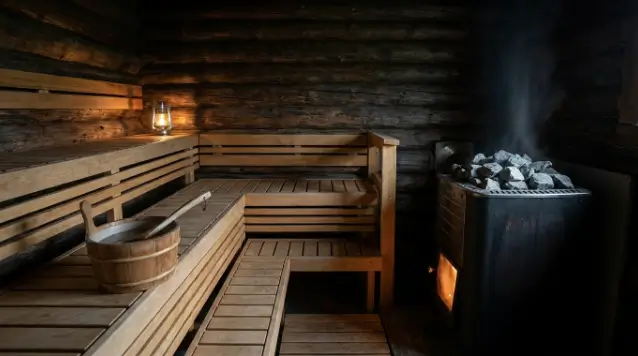
Owning a traditional sauna for the first time comes down to four decisions done right: size the room to how many people will realistically use it at once, match the heater to the room’s cubic footage, plan for a dedicated 240V circuit, and build a level, well-drained base. Get those four right and the rest, wood choice, maintenance, and daily use, is straightforward and mostly a matter of preference.
What Should a First-Time Buyer Prioritize?
New owners often spend the most time comparing wood species and cosmetic finishes, but the decisions that actually determine whether a sauna works well are room size, heater size, and electrical capacity. A 4 by 6 foot cedar or hemlock room with a 4.5 to 6 kW heater covers most two-person households, while a solo user can go smaller, and a family that wants to use it together needs to size up. Getting these numbers matched correctly on paper, before ordering anything, avoids the two most common and most expensive problems new owners run into: a heater that cannot reach temperature and an electrical circuit that was not planned for.
How Should a Beginner Think About Wood Choice?
Western red cedar is the traditional standard because its natural oils resist moisture and insects without any added finish, which matters in a room that heats and cools repeatedly. Hemlock and Nordic spruce cost less and have a much milder scent, which some first-time owners actually prefer since strong cedar aroma can feel overwhelming in a small space at first. None of the common sauna wood choices are wrong, and picking based on budget and scent preference rather than agonizing over small performance differences is a reasonable approach for someone building their first sauna.
What Does the Installation Process Actually Involve?
Most traditional sauna kits arrive as pre-cut panels that bolt or screw together, and a two-person crew can typically assemble the walls, roof, and bench structure in one to two days once the base is ready and the heater’s electrical circuit is roughed in. The base and electrical work usually take longer to schedule than the assembly itself, since they depend on a contractor and electrician’s availability rather than just labor hours. Planning the base, ordering the kit, and scheduling the electrician around the same rough timeline keeps a first sauna project from stretching out over months waiting on one piece at a time.
How Much Should a First Sauna Actually Cost?
A complete two to three person cedar kit with a matched heater generally runs $3,500 to $7,000 depending on wood grade and control features. Add $300 to $900 for a licensed electrician to run a dedicated 240V circuit, and a modest amount more for a gravel, paver, or concrete base depending on which option you choose and whether you hire it out. All told, a realistic first-sauna budget for most households lands somewhere between $4,500 and $9,000 once electrical and base work are included, though DIY base work or an already-suitable deck can bring that down. For beginners comparing complete kits rather than sourcing components separately, checking how the team at SweatDecks lists room size, heater wattage, and price together on each product page is a useful way to see several matched options side by side before deciding.
What Does Basic Maintenance Actually Look Like?
Ongoing care for a traditional sauna is lighter than most first-time owners expect. Wiping down benches after use, checking heater rocks periodically for cracking or crumbling and replacing them roughly every one to three years, and making sure intake and exhaust vents stay clear of dust or debris covers the bulk of it. A light sanding of bench surfaces every few years keeps them smooth and comfortable, and door seals should be checked occasionally since a worn seal lets heat escape and makes the heater work harder than it needs to.
See also: The Role of Hardware in Digital Growth
What Should a New Owner Expect in the First Few Months?
Most manufacturers recommend an initial curing or break-in burn, running the empty heater at a lower setting for the first hour or two, to burn off manufacturing residue from the elements and let the stones settle before the first real session. New wood also has a strong scent initially that mellows over the first several weeks of regular heat cycling. It typically takes a few sessions for a first-time owner to find a comfortable temperature and session length, and starting on the lower end of the range, around 150 to 160 degrees Fahrenheit for 10 minutes, and working up gradually is a reasonable way to calibrate.
Is Regular Use Actually Worth the Investment?
Long-running Finnish cohort research offers a useful reference point for anyone weighing whether regular sauna use is worth building into a routine. One widely cited study found that men using a sauna four to seven times a week had a meaningfully lower associated rate of fatal cardiovascular events and all-cause mortality over the follow-up period compared with those using it once a week, and separate research has found sauna use associated with a lower rate of stroke as well. These are observational, association-level findings rather than proof that sauna use alone prevents disease, and they should be read with that distinction in mind, but the consistency across multiple published cohorts is a reasonable part of the case for treating a home sauna as a genuine long-term habit rather than a novelty that gets used a few times and then sits idle.
Frequently Asked Questions
What does a beginner need to know before buying a traditional sauna?
Focus on four things: room size matched to how many people will use it, heater size matched to the room’s cubic footage, a dedicated 240V electrical circuit for most heaters, and a level, well-drained base.
Is it hard to maintain a traditional sauna?
Not particularly. Routine care is mostly wiping down benches, occasionally checking heater rocks for cracking, and making sure the ventilation stays clear, none of which takes more than a few minutes at a time.
How long does it take to install a traditional sauna kit?
A pre-cut panel kit typically assembles in one to two days once the base and electrical work are already in place, though the electrical and base prep can add a week or more depending on scheduling.
Do beginners need to break in a new sauna heater?
Most manufacturers recommend an initial curing burn, running the empty heater at a lower setting for the first hour or two, to burn off manufacturing residue and let the rocks and elements settle in before regular use.
What is a realistic budget for a first traditional sauna?
A complete two to three person cedar kit with a matched heater generally runs $3,500 to $7,000, plus $300 to $900 for a dedicated electrical circuit and a modest additional amount for the base.
References
- “Association between sauna bathing and fatal cardiovascular and all-cause mortality events,” JAMA Internal Medicine (2015). PubMed.
- “Short-term effects of Finnish sauna bathing on blood-based markers of cardiovascular function in non-naive sauna users,” Heart and Vessels (2018). PubMed.
- “Sauna bathing reduces the risk of stroke in Finnish men and women: A prospective cohort study,” Neurology (2018). PubMed.
By James Coultas